
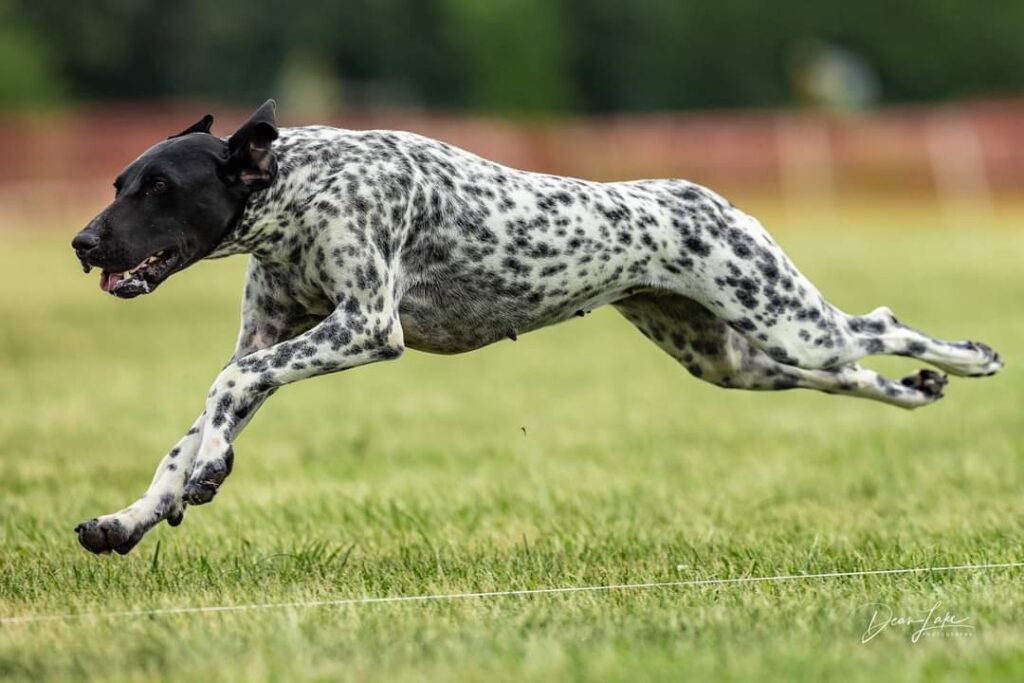
Motivators of Canine Behavior
Behavior seen in all canines can be described by either genetics or environmental conditioning.
Discover Canine Drives – a subconscious impulse to react to stimuli.
A brief description K9 drives as defined by former CBP Master Trainer.

Hunt Drive
The instinctual urge to pursue out of sight stimuli.
Air Scent
Drive to follow wind born odors.
Tracking
Drive to follow ground disturbance odor.
Prey
Drive to pursue, bite and kill visual prey.
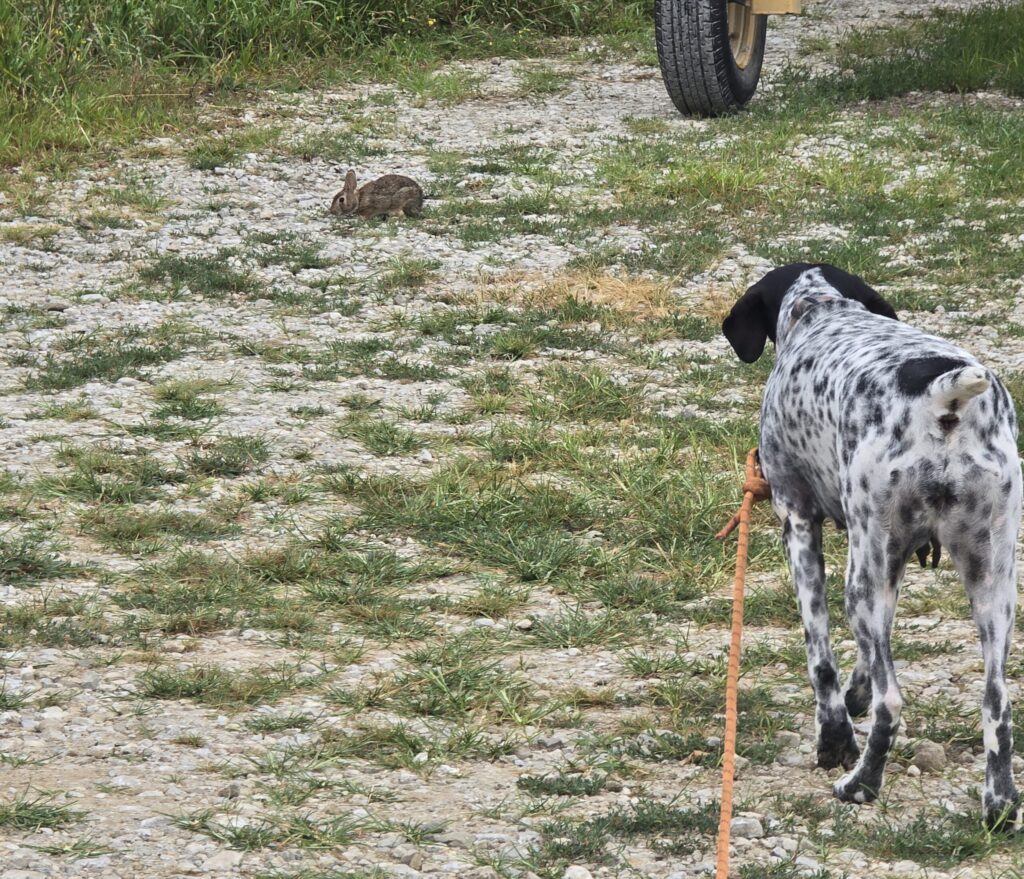
Retrieve
Drive to bring prey back to pack
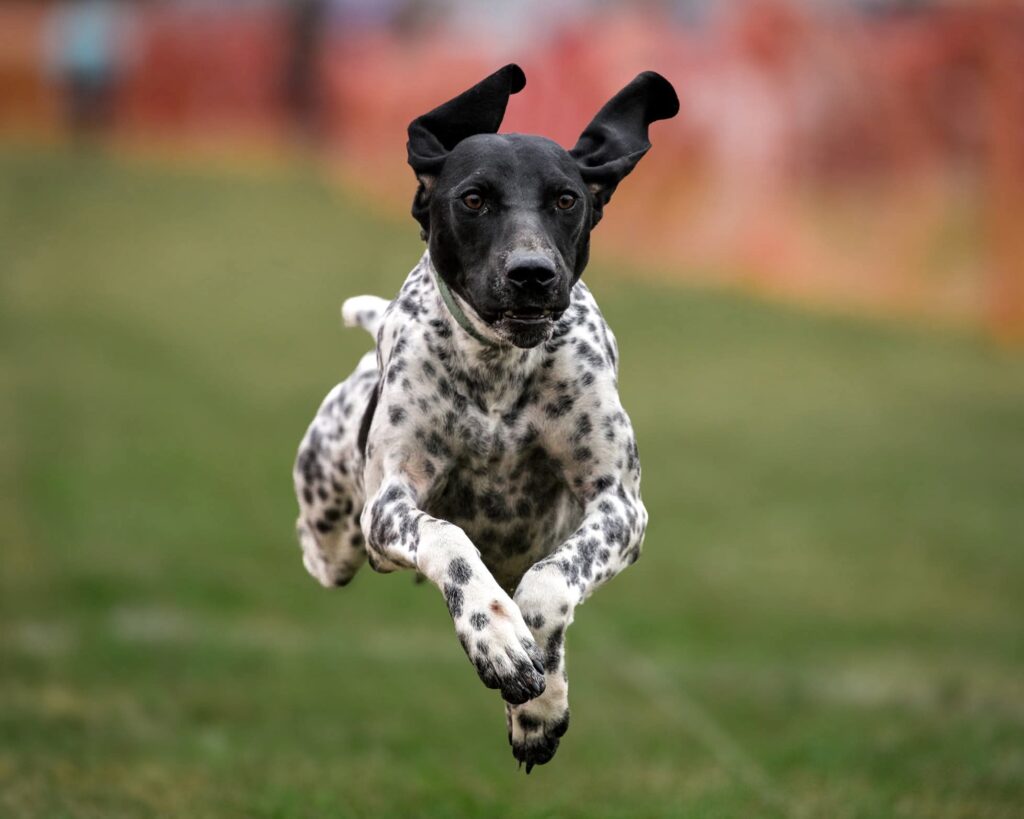
Activity
Drive to move and act. May lead to issues in kennel.
Play
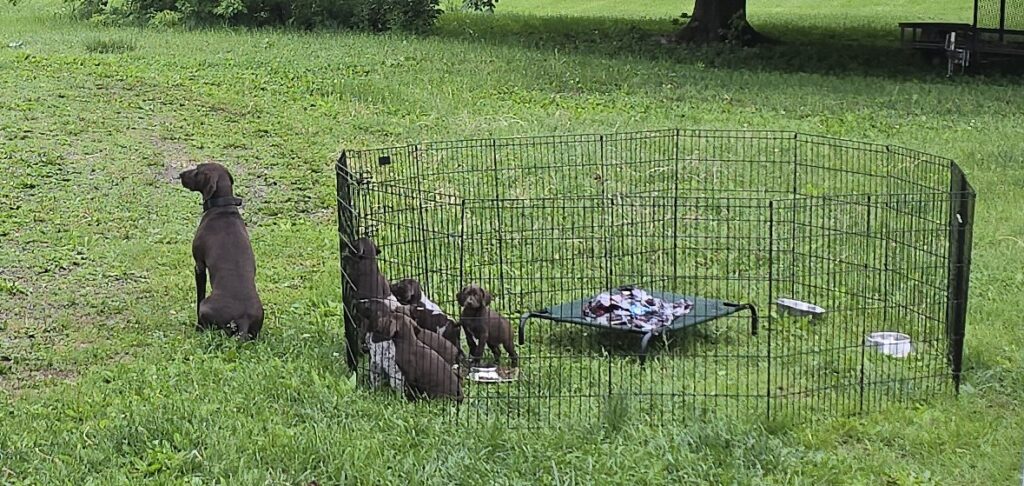
Drive for physical contact with pack
Pack Drive
Drive for emotional contact with pack members.
Survival
Flight – Drive to flee from real or imagined danger.
Self defense – Drive to attack real or imagined danger.
Rank
Motivates dogs to engage in joyful activities, fostering training and bonding.
Protection
Drive to defend pack members.
Guard
Drive to defend territorial spaces from intruders.
Fight
Drive to measure physical prowess with rivals.
Trainability
Drive to follow the desires of the pack leader.
Homing
Drive to return to pack or territory.
Herding
Drive to circle and direct prey.
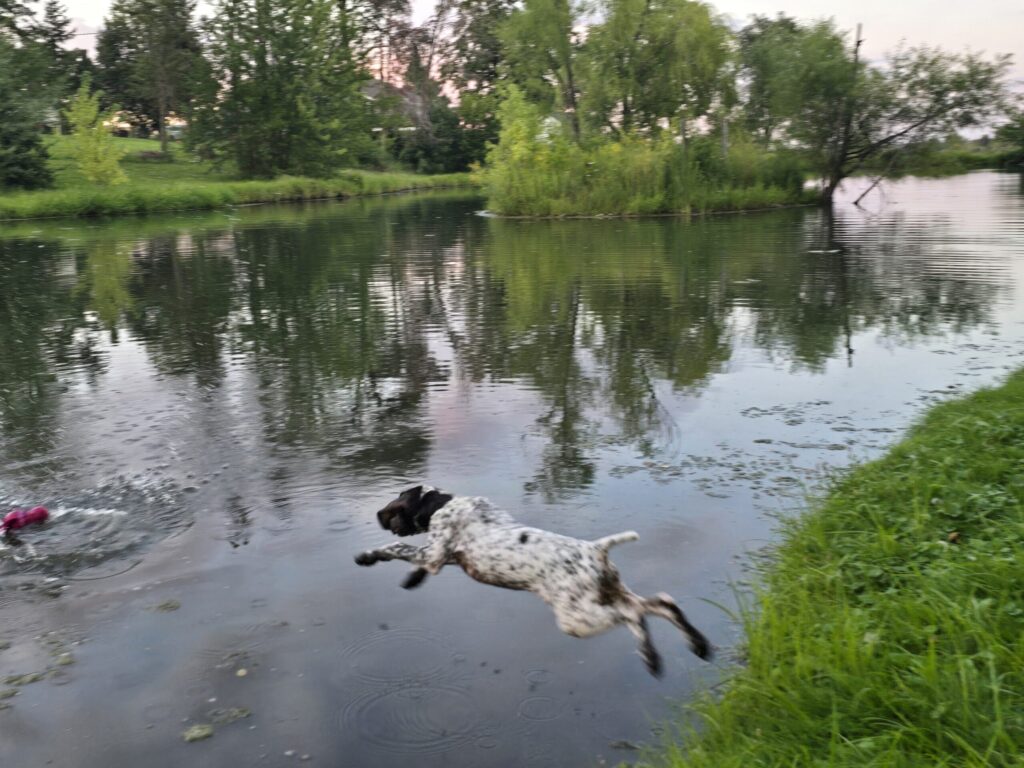
Pointing
Drive to passively indicate prey.
Drafting
Drive to pull when restricted.
Genetic behavior is divided into two instincts
Species preservation – survival and reproduction
Self preservation – survival of individual canine.
Drives are subconscious impulses to react to stimuli
can be enhanced or diminished through training but not created or eliminated.
A dog may revert to his drives and not training when under stress.
Instincts form the basis for behavior and are express through canine drives and enhanced by character traits.
Explore Canine Character Traits
Explore detailed descriptions of canine drive categories designed to deepen your understanding of dog behaviors and instincts.
Courage and Confidence
Courage – Absence of fear towards objects or situations.
Confidence – Environmentally conditioned acceptance of safety.
Hardness and Softness
Hardness – Resilience toward unpleasant experiences.
Softness – Remembering unpleasant experiences and possibly associating some superstition.
Sharpness
Tendency to react aggressively to stimuli.
Frustration
Tendency to subconsciously react aggressively when restrained.
Temperament
Attitude towards life.
Sensory Threshold
Amount of stimuli required to engage a drive.
May be higher or lower for each drive.
What are canine drive categories?
Explore detailed explanations of key canine behavioral drives to better understand your dog’s instincts and training needs.
What is prey drive in dogs?
Prey drive is a dog’s instinct to pursue and capture moving objects, essential for hunting breeds’ natural behavior.
How does pack drive influence training?
Pack drive motivates dogs to work with others and respond to leadership, crucial for cooperative tasks and obedience.
What role does defense drive play?
Defense drive triggers protective behavior, enabling dogs to guard and respond to threats effectively.
Can you explain the grip drive?
Grip drive describes a dog’s instinct to bite and hold, important for working breeds involved in controlled holding tasks.